
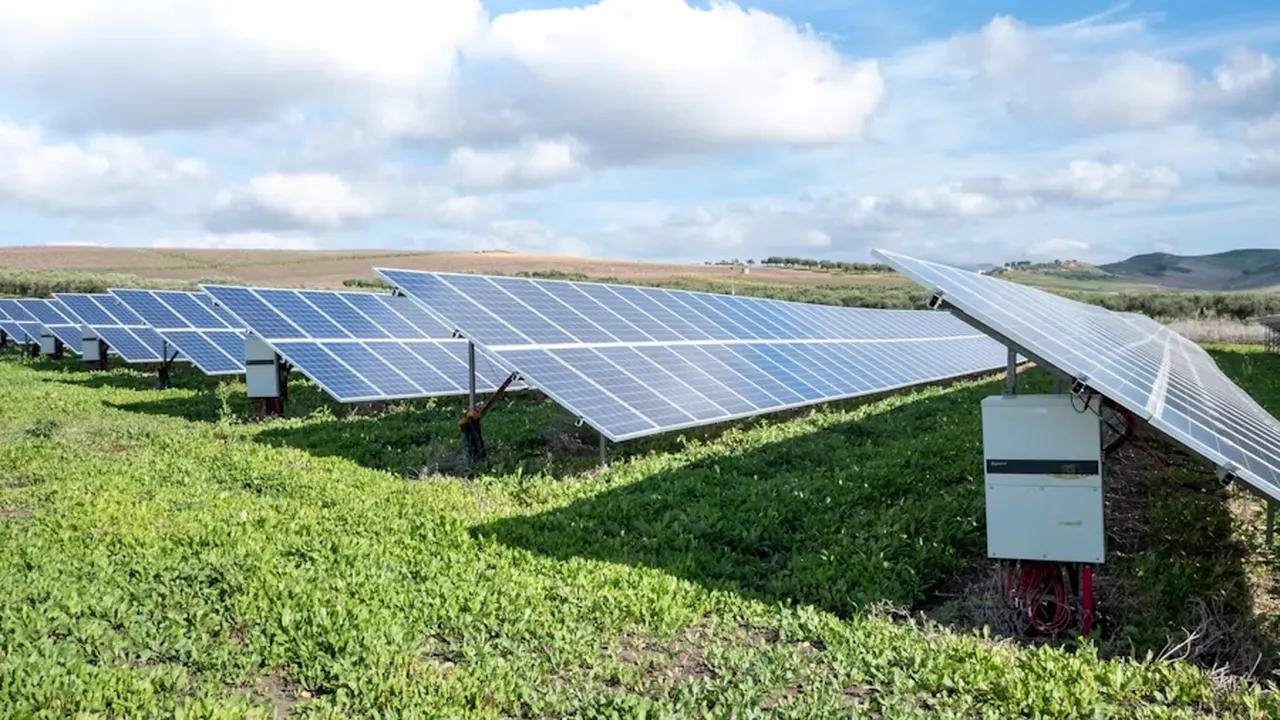
Mitigating High Industrial Grid Tariffs
In industries such as oil extraction, stone cutting, and yarn spinning, manufacturing margins depend heavily on the cost per kilowatt-hour. Industrial grid electricity comes with multi-tiered charges: base tariff, fuel surcharge adjustment, electricity duty, and fixed contract demand charges.
An on-site solar installation delivers clean power directly to the main busbar, offsetting expensive grid units and instantly lowering monthly utility disbursements.
Net Metering vs Gross Metering
Under two-way net-metering schemes, when the factory roof generates excess power on holidays or non-operating shifts, the surplus units are exported to the local DISCOM grid. These exported units appear as financial credits on the next monthly bill, ensuring zero generation is wasted.
- Bi-directional import-export metering verified by local state power utilities
- Energy banking provisions allowing weekend generation to offset weekday consumption
- Peak shaving reducing strain on factory transformer substations
Lifetime Cost of Energy (LCOE)
While grid power tariffs increase by an average of 3% to 5% annually, solar power operates at a fixed levelized cost of energy (LCOE) under ₹2.50 to ₹3.00 per unit over a 25-year asset lifecycle.
Ready to Evaluate Solar for Your Facility?
Solar Logics has engineered and commissioned 04+ MW of rooftop solar plants for commercial and industrial facilities across Rajasthan and 7+ states. Get a complimentary site assessment and technical irradiance report today.
Request Site Assessment →