
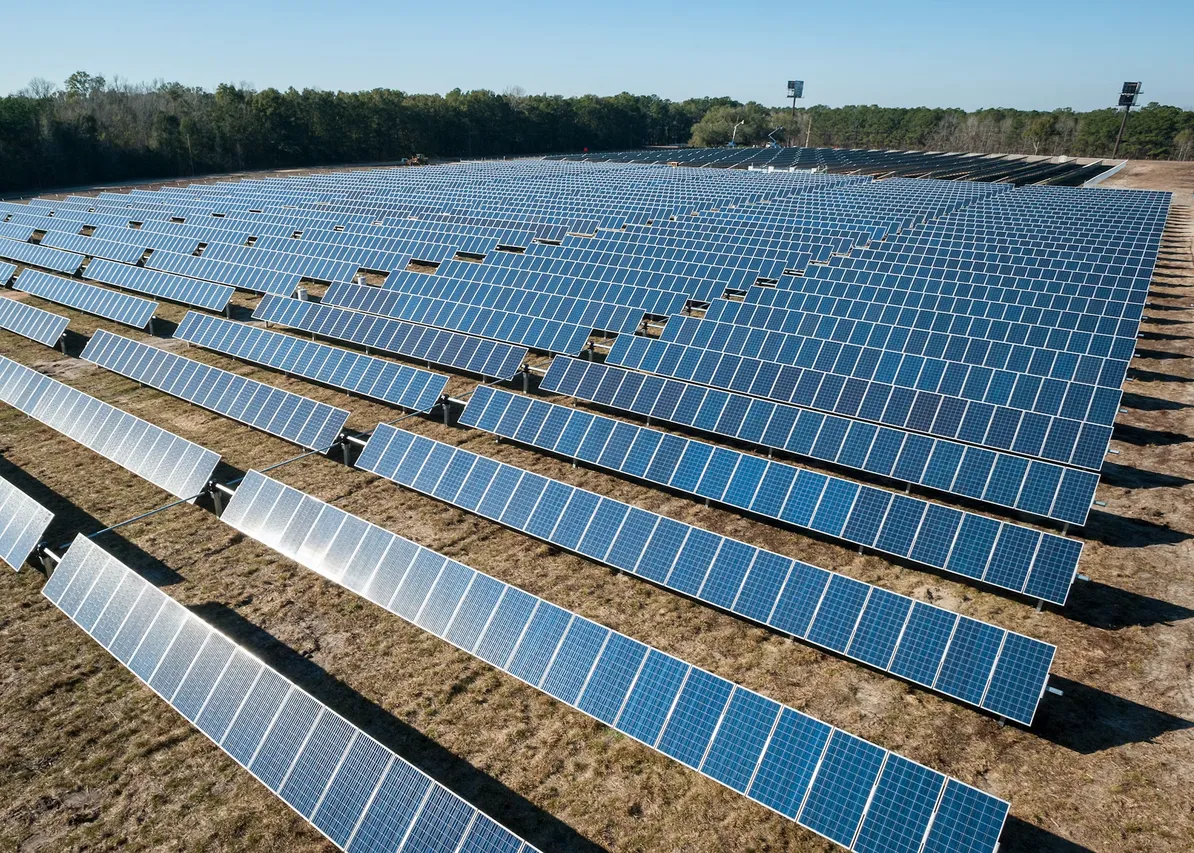
Introduction: Why Industrial Facilities Are Transitioning to Solar
Electricity often constitutes one of the top operational expenditures for heavy industries—such as textile mills, marble cutters, metal fabrication shops, and chemical processing plants. With industrial tariffs routinely exceeding ₹7 to ₹9 per unit in states across India, self-generating clean energy via factory rooftop arrays has transitioned from an environmental gesture to an essential balance sheet strategy.
Modern industrial sheds offer expansive, unshaded roof surface areas ideally oriented for high-tilt, high-density solar PV panel configurations capable of generating hundreds of thousands of kilowatt-hours annually.
Engineering Challenges: Structural Integrity & Shading
Industrial rooftops present unique civil engineering challenges. Unlike concrete flat roofs, metal sheeting (trapezoidal or standing seam) requires specialized non-penetrating clamps or engineered purlin-anchored rails to prevent structural leakage and preserve roof warranties.
A thorough structural load analysis (assessing dead load, wind uplift forces up to 150 km/h, and seismic factors) is essential before laying down heavy ballast or multi-hundred-kilowatt arrays.
- Non-penetrating anodized aluminum clamps for standing-seam roofs
- Wind speed simulation conforming to IS 875 Part 3 standards
- Shadow modeling around chimneys, cooling towers, and exhaust vents
- Lightning arrestors and Class-I surge protection devices (SPDs)
Financial Returns, Payback Period & Tax Benefits
Commercial and industrial solar installations typically achieve a capital payback period between 3.5 to 5.0 years. Following amortization, the facility enjoys near-zero marginal cost electricity for the remaining 20+ years of the modules’ 25-year linear performance warranty.
Additionally, businesses can leverage 40% Accelerated Depreciation (AD) in year one under the Indian Income Tax Act, which drastically reduces income tax liability and accelerates project internal rate of return (IRR).
Conclusion: Taking the First Step
Every rooftop requires precise irradiance profiling and DISCOM interconnection feasibility before procurement. Partnering with an experienced EPC contractor ensures your facility minimizes disruption during installation while securing maximum lifetime energy yields.
Ready to Evaluate Solar for Your Facility?
Solar Logics has engineered and commissioned 04+ MW of rooftop solar plants for commercial and industrial facilities across Rajasthan and 7+ states. Get a complimentary site assessment and technical irradiance report today.
Request Site Assessment →